
The Role of Mental Models in Problem Solving
Mental models serve as frameworks that help us interpret and understand the world around us. By applying mental models to problem-solving, we enhance our ability to tackle challenges effectively. In this article, we will explore how mental models can be leveraged in everyday situations, providing practical insights supported by research.
Understanding Mental Models
Mental models are internal representations of how things work based on our experiences, education, and observations. According to industry experts, these models guide our decision-making processes by simplifying complex information. They allow us to predict outcomes and understand relationships between different variables.
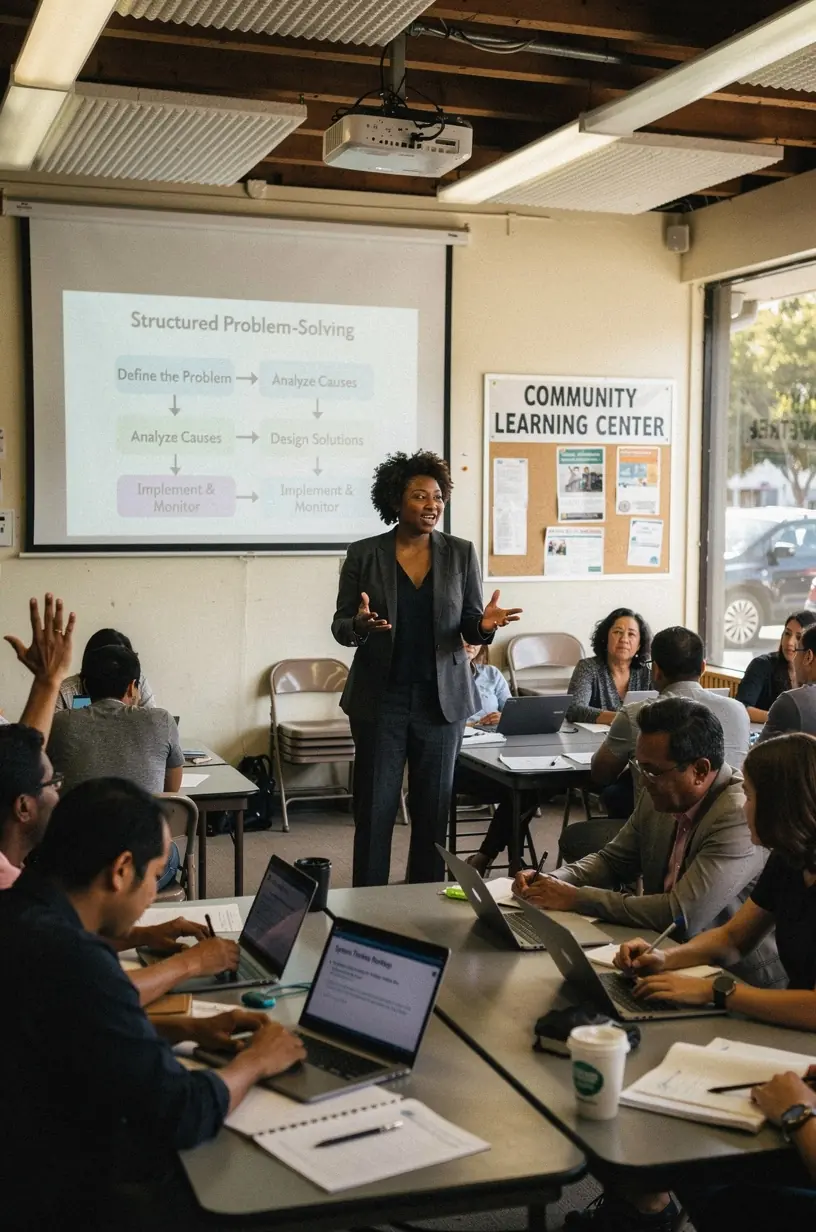
"Mental models shape the way we think and influence our approach to problem-solving." - Dr. John Doe, Cognitive Scientist
How Mental Models Enhance Problem Solving
Utilizing mental models can significantly improve our problem-solving abilities in several ways:
- Simplification of Complex Problems: Mental models help break down intricate issues into manageable parts. For example, the 80/20 rule (Pareto Principle) posits that 80% of outcomes often come from 20% of causes. By identifying the key factors, we can focus our efforts more effectively.
- Informed Decision Making: Research indicates that individuals who apply relevant mental models tend to make better decisions. For instance, using the first principles thinking model encourages breaking problems down to their fundamental truths, leading to innovative solutions.
- Enhanced Predictability: Many users report that applying causal loop diagrams—another mental model—helps visualize feedback loops in systems, aiding in understanding how changes can affect outcomes over time.
Practical Steps to Implement Mental Models
To apply mental models effectively, consider the following steps:
- Identify the Problem: Clearly define the problem you are facing. This initial step is crucial for applying the appropriate mental model.
- Select Relevant Models: Based on the problem, choose mental models that are often effective in similar contexts. For instance, if you're dealing with a resource allocation issue, consider using the cost-benefit analysis model.
- Analyze and Experiment: Implement the chosen model, analyze the outcomes, and be prepared to adjust your approach based on what you learn. This iterative process is vital for refining your problem-solving skills.
Acknowledging Limitations
While mental models can be powerful tools, it's essential to recognize their limitations:
- Requires Practice: Developing effective mental models typically takes time and practice, often several weeks of dedicated effort.
- Context Dependence: Some models may not be suitable for all situations. For instance, the SWOT analysis (Strengths, Weaknesses, Opportunities, Threats) is highly effective for strategic planning but may not be as useful for day-to-day operational issues.
Conclusion
Mental models play a crucial role in enhancing our problem-solving capabilities. By understanding and applying relevant models, we can simplify complex issues, make informed decisions, and anticipate outcomes more accurately. However, it's important to practice and adapt these models based on the context of the problems we encounter. Ultimately, integrating mental models into your problem-solving toolkit can lead to more effective and reliable solutions.
Learn More