How to Foster Collaborative Problem-Solving in Groups
Collaboration in problem-solving can lead to innovative solutions and improved team dynamics. However, effectively fostering this environment requires intentional strategies and practices. This article explores structured approaches to enhance collaborative problem-solving within groups.
Understanding Collaborative Problem-Solving
Collaborative problem-solving involves multiple participants working together to identify and resolve issues. According to research from the Harvard Business Review, teams that engage in structured collaborative processes tend to achieve better results compared to those that do not. This approach leverages diverse perspectives, which can help illuminate blind spots and lead to more comprehensive solutions.
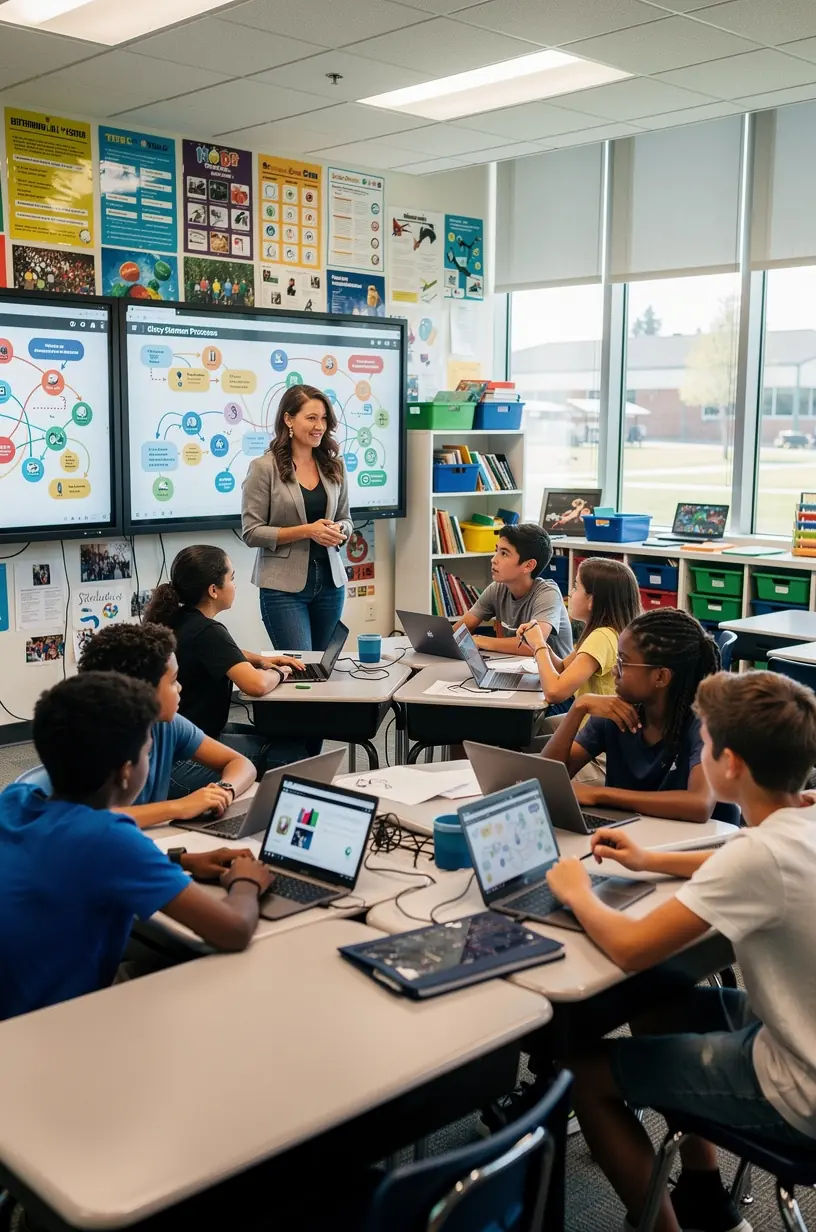
"Diverse teams are more likely to solve complex problems than homogenous groups." - Research from McKinsey & Company
Key Strategies for Fostering Collaboration
To effectively foster collaborative problem-solving, consider the following strategies:
- Establish Clear Goals: Define the objectives of the group. Clarity in purpose helps align team members and encourages focused discussions.
- Encourage Open Communication: Create an environment where all participants feel safe to share their ideas. Research indicates that psychological safety is crucial for effective collaboration, making team members more likely to contribute their thoughts.
- Utilize Structured Frameworks: Implement structured approaches, such as design thinking or the Six Thinking Hats method. These frameworks can guide discussions and ensure that all aspects of a problem are considered.
Implementing Collaborative Techniques
Collaboration works best when the team actively engages in certain techniques:
- Brainstorming Sessions: Hold regular brainstorming sessions where all ideas are welcomed. Studies show that brainstorming can generate a higher quantity of ideas, which can then be refined into actionable solutions.
- Role Assignments: Assign specific roles to group members, such as facilitator, note-taker, or timekeeper. This not only ensures that the session runs smoothly but also allows each member to contribute according to their strengths.
- Feedback Loops: Implement regular check-ins to gather feedback on the collaborative process. This helps identify what is working and what needs adjustment, promoting continuous improvement.
Acknowledge Time and Effort
While fostering collaborative problem-solving can yield significant benefits, it typically requires a commitment of time and effort. Establishing effective collaboration practices may take several weeks to refine, and participants often need to invest time in learning the techniques used. It is important to recognize that not every approach will suit every group; adaptability is key.
Conclusion
In conclusion, fostering a collaborative environment for problem-solving in groups involves a mix of clear goals, open communication, and structured frameworks. By implementing these practices, groups can enhance their ability to tackle complex challenges effectively. Remember, successful collaboration may not happen overnight, but with dedication and the right strategies, significant improvements can be achieved.
Learn More